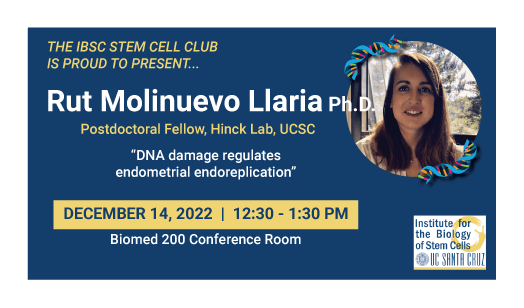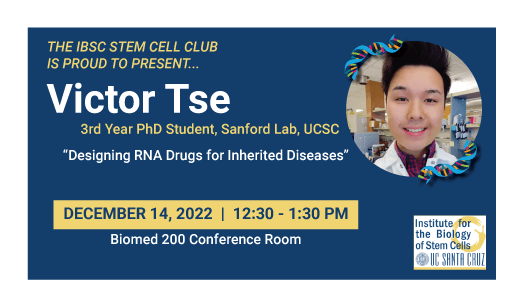
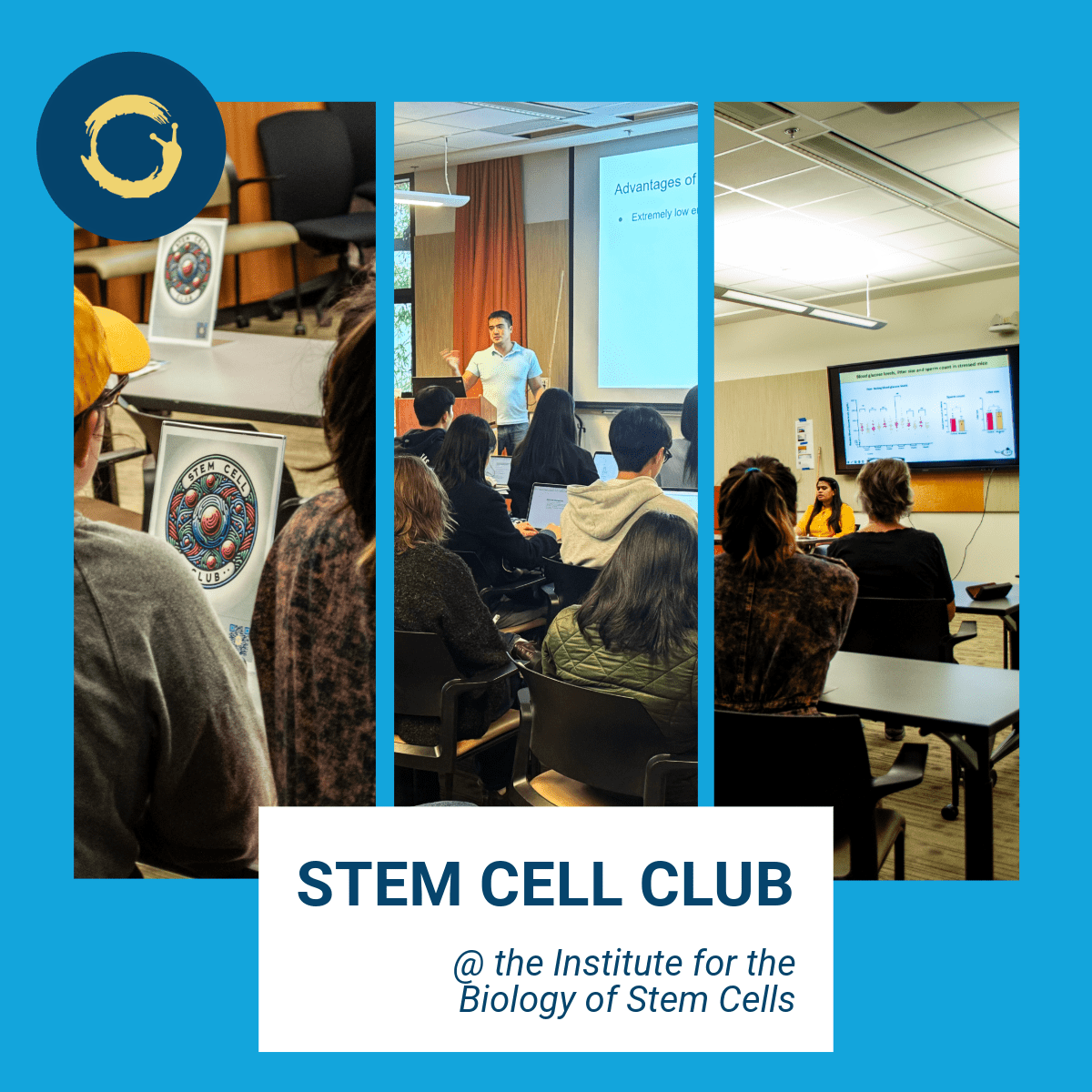
Stem Cell Club provides fellows, faculty, and staff opportunities to present their research; learn of cutting-edge discoveries in the field of stem cell biology; network and build constellations; and interact with external speakers from a variety of institutions.
Meetings are typically held on the second Wednesday of each month in Biomed 200, however as schedules may change, please refer to the specific scheduled date to confirm location and time.
Do you have feedback and suggestions to improve Stem Cell Club? Let us know!
Upcoming Stem Cell Club Meetings

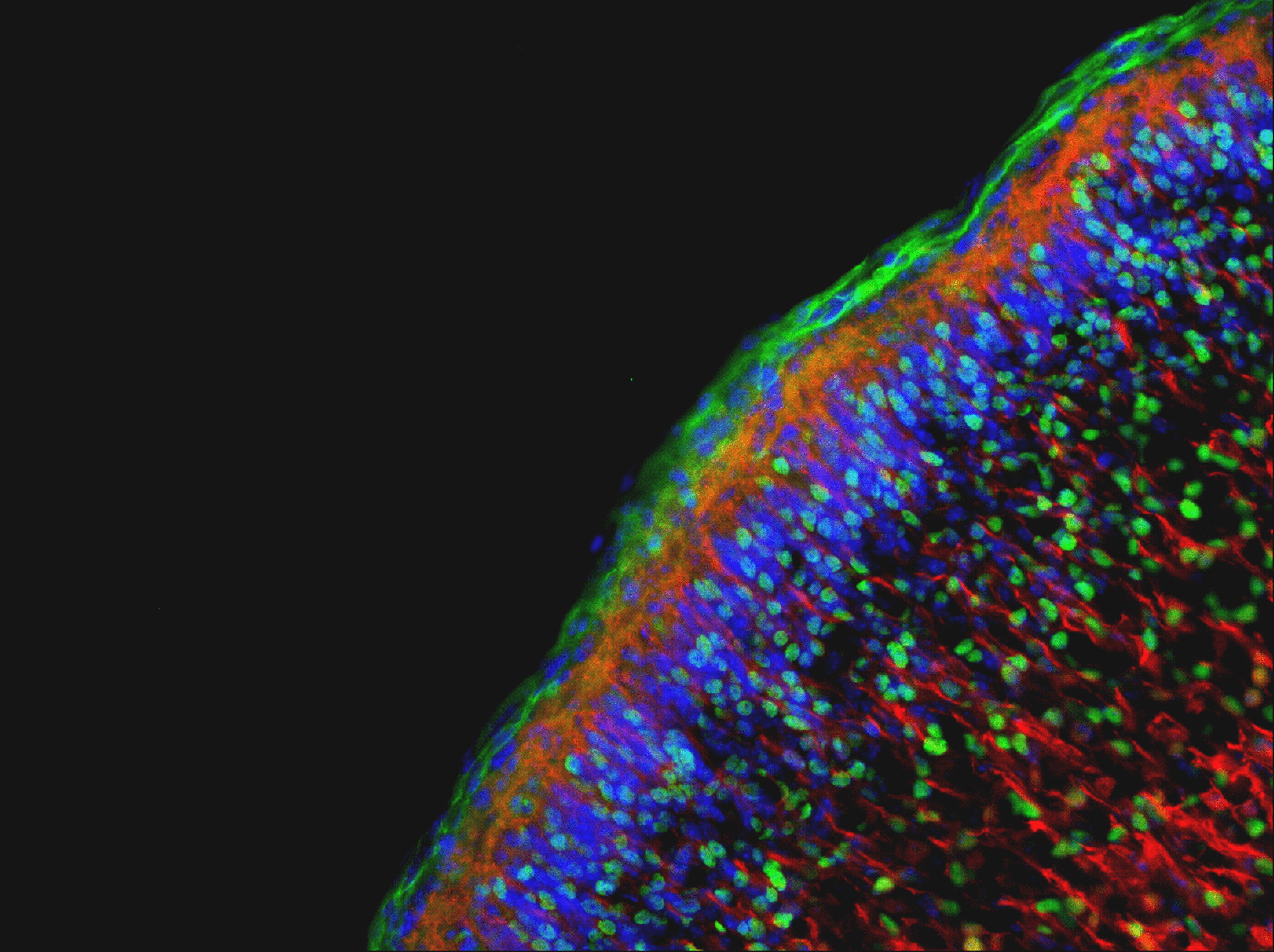
Ruth Williams – Research Fellow, University of Manchester, Department of Developmental Biology and Medicine
Talk title: Dynamic Gene Regulatory Networks Driving Neural Crest lineages are initiated from the Neural Plate Border
Marie Dominique Filippi – Professor, Cincinnati Children’s Hospital
The Filippi lab investigates cellular and molecular mechanisms controlling normal hematopoietic cell functions, with a particular interest in understanding basic intracellular signaling transduction mechanisms in hematopoietic cell functions with the ultimate goal of developing new treatment options for hematological and immunological disorders. The lab has focused on investigating how signaling molecules govern hematopoietic stem cell self-renewal and engraftment, and neutrophil migration and trafficking. The lab has had a longstanding interest in Rho GTPase signaling. Rho GTPases are major regulator of cell cytoskeleton rearrangement and transcriptional responses and play major roles in cell shape changes, cell migration, and cell fates.
Emma Canepa – Clinical Trials Manager (Mackenzie Lab) , UCSF
Coming soon.
TBD –
Coming soon.
Matteo Mole – Assistant Professor , Stanford University
Dr. Molè earned his PhD from University College London (UCL) and pursued postdoctoral research fellowships at the University of Cambridge and the Babraham Institute, where he established a license under the UK Human Fertilisation and Embryology Authority (HFEA) to conduct research on human embryos donated by patients undergoing IVF. In the summer of 2023, Dr. Molè joined Stanford University as an Assistant Professor. His work focuses on investigating the mechanisms of human embryo implantation. The successful implantation of an embryo is crucial for the establishment of a healthy pregnancy. During the transition between the first and second week of gestation, the human embryo must securely implant into the maternal uterus, initiating development of the placenta to receive necessary nutrients and oxygen for its growth until birth..
Recent Meetings
No Stem Cell Club – Research Review Day will be on November 17th at Seymour Marine Discovery Center
Research Review Day will occur on Nov 17th, 2025. No Stem Cell Club will be held; please join us again in December!
Speakers: Yanzhen Nie (CIRM postdoc), Taylorlyn Stephan (CIRM predoc), and Estefania Sanchez Vasquez (IRACDA postdoc) –
Yanzhen Nie Talk Title: Elucidating Cortical Developmental Abnormalities in SATB2-Associated Syndrome Using Mouse Models with SATB2 Point Mutations. Bio: Yanzhen completed her Master’s degree at Fudan University in China, then worked at the Shanghai Institutes for Biological Sciences, Chinese Academy of Sciences, and at Shanghai Second Medical University. She subsequently pursued her PhD at Shanghai Jiao Tong University. She then returned to Fudan University as a research assistant until moving to UCSC in 2023. She is now a CIRM Postdoctoral Scholar.
Estefania Sanchez-Vasquez Talk Title: CDK2 activity determines the outcome of cell fate decision in murine trophoblast stem cells. Bio: Estefania is a former IRACDA fellow and a current UCSC HSRU fellow. She joined the Shariati lab to specialize in engineering developmental processes. Her long-term aim is to use cutting-edge bioengineering techniques to study the mechanisms underlying cell fate transition.
Aide Macias-Muñoz, Assistant Professor, UCSC, Department of Ecology and Evolutionary Biology) –
Dr. Aide Macias-Muñoz is an Assistant Professor in the Department of Ecology and Evolutionary Biology at the University of California, Santa Cruz. Her research focuses on understanding the molecular underpinnings of complex trait evolution. Her lab uses comparative approaches in jellyfish and relatives to investigate which cells and genes are used for sensory system development, regeneration, and evolution. Dr. Macias-Muñoz holds a BA in Integrative Biology with a minor in Chicana/o Studies from the University of California, Berkeley and a PhD from the University of California, Irvine. She completed her PhD under the mentorship of Dr. Adriana Briscoe investigating the drivers of visual system diversification in Lepidoptera (moths and butterflies). From there she joined Dr. Ali Mortazavi’s lab where she studied the genetics underlying regeneration in Hydra. This was followed by a Postdoctoral Fellowship in Dr. Todd Oakley’s lab investigating phototransduction in cnidarians. Her research has been funded by the NSF Graduate Research Fellowship Program, BEACON, the Ford Foundation, the George E Hewitt Foundation for Medical Research, the American Philosophical Society, and the UCSB Chancellor’s Postdoctoral Fellowship.

Title: Cracking the Code of Cell States: Regeneration and Cancer in Breast Tissue – Queralt Vallmajó Martín; Wahl Lab, Salk Institute
Queralt Vallmajó-Martín, PhD is a postdoctoral fellow at the Salk Institute for Biological Studies in La Jolla, California. Queralt graduated with a B.S. in Biotechnology in 2011 from Universitat Autònoma de Barcelona in Catalonia, Spain, and obtained her Master in Biomedical Engineering from ETH Zürich, Switzerland. In 2019, she received her Ph.D. in Biotechnology and Bioengineering from EPF Lausanne, Switzerland, where she established bioengineered human bone marrow models utilizing synthetic and chemically defined biomaterials and applied those models to investigate cancer osteotropism in vivo. In June 2021, Queralt joined the Salk Institute as a postdoctoral fellow in the lab of Dr. Geoffrey Wahl, where she focused on identifying molecular and environmental factors that drive the progression of local pre-cancerous lesions to invasive triple-negative breast cancer. After Dr. Wahl’s retirement in July 2024, she transitioned to Dr. Deepshika Ramanan’s lab, where she is now investigating the relationship between tumor cell plasticity, immune evasion, and their contribution to breast tumorigenesis. Beyond her research, Queralt is deeply committed to promoting diversity and inclusion in science through mentoring trainees, organizing leadership development workshops, and building programs that foster community and professional growth among early-career scientists.

Title: From Bacterial Battles to Bioluminescent Bonds: Histidine Kinase Inhibitors for Bacterial Infections, Hawaiian Squid Symbiosis, and Directed Evolution with Mass Spectrometry Innovations – Conrad Fihn (IRACDA Fellow); Sanchez Lab, UCSC
Dr Fihn earned their Ph.D. in Medicinal Chemistry at the University of Minnesota under the guidance of Erin Carlson, where they studied histidine kinase inhibitors as virulence blockers in pathogenic bacteria. They have since joined Laura Sanchez’s lab at the University of California, Santa Cruz, as an NIH IRACDA Fellow, where they are working to establish methods for MALDI-TOF-based screening methods for directed evolution and examining small molecule-protein interactions in the symbiosis of Vibrio fischeri and Euprymna scolopes.
Speakers: – Diksha Sharma (CIRM Predoc) and Shally Saini (CIRM Predoc)
Diksha Sharma Talk Title: Identifying small molecule ligands for PAS domains in the circadian clock
Shally Saini Talk Title: Defining the Dual Roles of Lung Fibroblasts in Mediating Inflammation and Epithelial Repair Following Viral Infection.

Title: From Bench to Bedside and Back: Developing In Vivo Genome Editing Strategies to Treat Hemoglobinopathies – Atesh Worthington; Tippi MacKenzie Lab, UCSF
Dr. Atesh Worthington is a postdoctoral fellow at UC San Francisco in Dr. Tippi MacKenzie’s lab where she studies embryonic globin regulation and is working with lipid nanoparticles for in vivo genome editor delivery to develop novel therapeutics for alpha-thalassemia. She received her Ph.D. in 2023 from UC Santa Cruz under the guidance of Dr. Camilla Forsberg, where she studied how fetal derived tissue-resident immune cells are differentiated from hematopoietic stem cells and how differences in regenerative capacity between fetal and adult hematopoietic stem cells (HSCs) are regulated at the transcriptional and chromatin level. In addition to research, Atesh is passionate about pedagogy and developing equitable and inclusive teaching practice to make higher education more accessible to a diversity of students. She currently serves on the UCSF BMS DEI committee and is working on postdoc-graduate mentorship initiatives to build more inclusive scientific environments.
Speakers: Maryam Moarefian (IRACDA Fellow), Tommy Finn (T32 Fellow, and Marcel Rommel (CIRM Postdoc) – Maryam Moarefian (IRACDA Fellow), Tommy Finn (T32 Fellow, and Marcel Rommel (CIRM Postdoc)
More info coming soon.
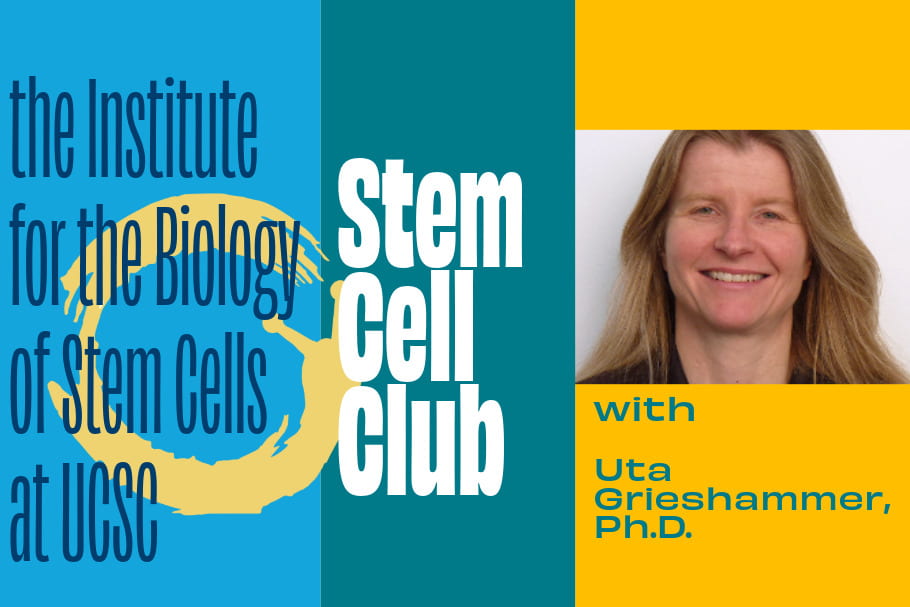
“Career opportunities in the stem cell and gene therapy field. A view from CIRM.” – Uta Grieshammer, Ph.D.; California Institute for Regenerative Medicine (CIRM) Fellow
Uta Grieshammer is a CIRM Fellow at the California Institute for Regenerative Medicine (CIRM), the state agency that administers Proposition 14 bond funds to support stem cell and gene therapy research in California. As part of the Scientific Programs and Education team, she manages a portfolio of grants and is involved in developing requests for applications to solicit research and infrastructure proposals that advance basic stem cell and gene therapy research and in implementing approaches to ensure FAIR sharing of CIRM-funded data.
Uta is a developmental biologist; she received her PhD in biochemistry from Boston University and conducted postdoctoral research in mouse and chick embryology at UCSF. In prior roles, Uta has served as the scientific program director for the California Initiative to Advance Precision Medicine (CIAPM), and as a program officer at the Tobacco-Related Disease Research Program (TRDRP).
No Stem Cell Club – Research Review Day will be on Friday November 15th at Seymour Marine Discovery Center
Research Review Day will occur on Nov 15th, 2024. No Stem Cell Club will be held; please join us again in December!

Title TBD – Selma Masri, Ph.D.; UC Irvine

Title TBD – Isobel Fetter; CIRM Pre-Doctoral Fellow, UCSC